Thursday, December 9, 2010

NET-HISTORY NOTES

Important Facts of Indian History
History of Modern India

● Muazzam occupied the Mughal throne as Bahadur Shah after his success in the war of succession.
● Muazzam, the son of Aurangzeb was called as the ‘Shah Bekhabar’.
● The Mughal King Farrukh Siyar gratned concession to the English men to trade in Bengal, Gujarat and Hyderabad.
● In 1759 Ali Mohar, the son of Alamgir sat upon the Mughal throne as Shah Alam II.
● After the death of Maratha ruler Shahu, the real power of the State came in the hands of Peshwas.
● Nawab Murshid Quli Khan of Bengal transferred his capital to Murshidabad from Dacca.
● Nawab Mir Qasim of Bengal transferred his capital to Moongher from Murshidabad.
● In the middle of the 18th century, the nominal ruler of Mysore was Chika Krishnaraj. The real power of the State lied with the two brothers—Nand Raj and Dev Raj.
● In 1761 Hyder Ali captured Nandraj and became the master of Mysore.
● In the first Anglo-Mysore war, Hyder Ali badly defeated the English army.
● In 1781 Hyder Ali conqurered Arcot but in 1781 at Porn Novo Sir Eyerkoot defeated him.
● Ali Muhammad Khan established the State of Rohilkhand.
● The early capital of Rohilkhand was ‘Awala’ which later shifted to Rampur.
● Guru Har Gobind Singh constructed the Akaal Takht at Amritsar.
● Guru Gobind Singh converted the Sikhs into a warring and military group.
● In 1721, the two sects of Sikhism ‘Bandai’ and ‘Tatkhalsa’ merged in one sect ‘Khalsa’. This sect became a headache for the Mughals.
● The Sikhs were organized in 12 unions or misls which grew in political significance. Later Ranjeet Singh conquered these misls and organized them into Punjab State.
● The ruler of the Afghanistan conferred the title of Raja upon Ranjeet Singh and appointed him the Subedar of Lahore.
● The treaty of Amritsar was signed between the English and Ranjeet Singh in 1809. As a result the English checked the expansion of Ranjeet Singh towards the region of Sutluj.
● According to the treaty of Amritsar, the English accepted Ranjeet Singh as an independent ruler.
● During first Anglo-Sikh war, the Governor-General of India was Lord Hardinge.
● Punjab was ruled by Maharaja Dalip Singh when the Lahore Treaty was signed in 1846 between the Sikhs and the English after the defeat of Sikhs in the first Anglo Sikh war.
● During Sirajudaulla’s time, the English settlement at Calcutta became a resort for the enemies of Nawab and the traitors.
● On 4th June, 1756 Sirajudaulla invaded and captured the Qasim Bazar factory of English near Murshidabad.
● The Black hole tragedy as it is known in history, came to light through the letter of Holvell. Some of the historians consider it imaginery.
● In the contemporary historical works like Sher-a-Mutkherin and Royas-us-Salatin, there is no reference to the Black hole tragedy.
● On 9th February, 1757, the Ali Nagar Treaty was signed between the English and the Nawab.
● After the war of Plassey, when Sirajudaulla was running away from Murshidabad towards Patna he was captured and killed.
● On 28 June, 1757, the English declared Mir Jafar as the Nawab of Bengal.
● After victory in Plassey war, the English Company obtained concessions to trade in Bengal, Bihar and Orissa.
● On 25 November, 1759, the Bedara war was fought between the English and the Dutch and the Dutch were defeated. The victory helped the English in consolidating their hold on Bengal.
● Mir Qasim planned friendship with Vansittart to become the Nawab of Bengal.
● Mir Qasim gave to East India Company, the districts of Vardhman, Midnapur and Chittgaon for the expenditure of the English army.
● In 1764 the joint army of Mir Qasim, Shujauddaulla and Shah Alam fought with the English—the war of Buxar, the English were victorious in this war.
● After the Buxar War, the Allahabad treaty was signed between English and the Mughal King Shah Alam in 1765 AD.
● According to Allahabad Treaty, the districts of Kara and Allahabad were taken away from the Nawab of Oudh and given to Mughal King. The East India Company agreed to pay to the king a pension of Rs. 26 lacs. In lieu the English got Diwani rights in Bengal.
● After the death of Mir Jafar, his son Nizamuddaula was enthroned as Nawab of Bengal.
● K. M. Panikkar holds that from 1765 to 1772, the rule of East India Company in Bengal was the ‘rule of dacoits’.
● During Warren Hastings period, the Treasury was transferred by the East India Company to Calcutta from Murshidabad and Calcutta was made the capital.
● During the Governorship of Warren Hastings, in every district of subjugated India one Civil and one Criminal Court was opened.
● The cases upto to Rs. 500 were referred to the Civil Court and alone it, the appeal could be made to the Sadar Diwani Adalat.
● The District Criminal Court was put in charge of an Indian Officer.
● The Regulating Act of 1773 established a Supreme Court at Calcutta.
● The Permanent settlement introduced by Cornwallis brought changes in the land system. Most of the land came in the hands of commercial and rich classes of Calcutta.
● The Permanent settlement ensured the income of the Government. Besides the cooperation of the new Zamindars was obtained.
● In the Mahalwari system, land revenues was fixed either through the local Zamindars or their hereditary tax collectors or the Zamindars of the Mahal. Mahal was the collection of villages. The Mahalwari system was known in Punjab as the village system.
● The Raiyyatwari system was introduced during early 19th century in some regions of Madras and Bombay. The Govt. directly obtained a fixed amount from the peasants.
● In the Raiyyatwari system, the revenue rate was fixed 45% to 50% of the total produce separately.
● The Raiyyatwari system had many defects which the Govt. official accepted at the time of a parliamentary inspection for the renewal of the Company’s Charter.
● In the Fifth and Sixth decades of 19 century, the English invested in large amount to control Indian economy.
● The English invested their capital on roads and communications, Railway, Post and Telegraph, Banks and tea gardens.
● In 1830 the Ahoms again rebelled against the English. This time, the English Company adopted a peaceful policy and granted north Assam and some other region to King Purandar Singh.
● Raja Teerath Singh of Nanakkalo rebelled against the English with the help of Garo, Khampati and Sinhopo tribes. Soon it took the shape of a mass-movement. In 1833, the English could crust it with superior military force.
● In 1825, the Assam Rifles rebelled against the English.
● In 1838, the Indian troops stationed at Sholapur rebelled due to non-payment of the full allowances.
● In 1850 the Gobind Garh regiment rebelled.
● On 1 January, 1857, the use of British made Enfield Rifles was started in India. In the cartridges of this Rifle, the fat of cows and pigs were used.
● In March 1857, the soldiers of Bairakpur Cantt refused to use the fat cartridges.
● On 2 May, 1857, the Oudh Regiment of Lucknow too refused to use these cartridges. As a result, the Oudh regiment was disbanded.
● To the soldiers of Meerut who had refused to use the fat cartridges, an English military officer—Carr Michael Smith issued the jail punishment of 5 years.
● On 10 May, 1857, a section of the infantry and cavalry of Merrut rebelled at about 5 P.M.
● The rebels marched to Delhi, captured the city and declared Bahadurshah the emperor of India. Bahadurshah assumed the leadership of revolt in Delhi.
● During this rebellion, Nana Saheb established his suzeranity over Kanpur and declared himself the Peshwa.
● In Bundelkhand Rani Lakshmi Bai of Jhansi assumed the leadership of the revolt.
● In Bihar, the zamindar of Jagdishpur, named Kunwar Singh led the revolt.
● On 28 May, 1857, the soldiers of Nasirabad Cantt in Rajasthan, rebelled.
● Kota and Adva were the main centres of revolt in Rajasthan.
● The Central India, Tantya Tope led the revolt.
● In U.P. the importnat centres of revolution were Jhansi, Kanpur, Bareilly, Meerut, Lucknow, Aligarh, Mathura and Agra.
● The Bareilly rebellion was led by Batakhs Khan.
● The Commissioner of Oudh, Henry Laurrence died of a blast on 4th July, 1857.
● While suppressing the revolt, the English officer Neil buried the dead Brahmans and burnt the dead Muslims.
● In March 1858, under the leadership of Kunwar Singh, the rebels captured Azamgarh.
● While marching towards Benaras from Azamgarh, there was an encounter between Kunwar Singh and the English officer Lord Mark in which Lord Mark had to run away to save his life.
● Kunwar Singh of Jagdishpur was the only leader to have died under the banner of freedom.
● On 14 December, 1857, the English army blasted Kashmiri Gate of Delhi.
● In November 1857 the rebels defeated the English General Windaham near Kanpur.
● Vinayak Damodar Saverker was the first to name the rebellion of 1857 as the first war of Indian independence.
● According to Sir Seeley, the rebellion of 1857 was fully a national revolt conducted by selfish soldiers.
● Sir John Lawrence, P. E. Roberts and V. A. Smith have called it a Sepoy Mutiny.
● According to V. A. Smith, the rebellion of 1857 was purely a sepoy mutiny which fully reflected the indiscipline of Indian soldiers and the foolishness of English military officers.
● According to Sir James Outtram, the revolt of 1857 was the result of a conspiracy of the Muslims who desired to fulfill their self-interest on the strength of the Hindus.
● Ashok Mehta in his book, ‘The Great Revolt’, has attempted to prove that it was a national revolt.
● Pattabhi Sita Ramaiyya takes it to be the first war of Indian independence.
● After crushing the revolt of 1857, they constituted an India Council and abolished the Board of Directors. There were 15 members in the India Council and a Secretary of State for India.
● After the revolt, Lord Canning announced the Declaration of the Queen at a Durbar held at Allahabad. He called it, ‘the Magna Carta of Indian people’.
● In the Declaration of the Queen, the policy of expansion of the political limits came to an end.
● The rebels responsible for the murder of Englishmen were punished. All others were pardoned.
● The objective of Brahmo Samaj, Arya Samaj, Ramkirshna Mission and the Theosophical society etc. was to herald a renaissance in India.
● Brahmo Samaj was founded in Calcutta by Raja Ram Mohan Roy on 20 August, 1828.
● Raja Ram Mohan Roy always advocated the appointment of Indians on high govt. posts. He played a major role in the abolition of Sati system.
● After the death of Raja Ram Mohan Roy on 20 August, 1833, Devendara Nath Tagore assumed the leadership of the Brahmo Samaj.
● Aadi Brahmo Samaj was established by Devendra Nath Thakur.
● Bhartiya Brahmo Samaj was founded by Keshav Chandra Sen.
● The principles of Brahmo Samaj helped immensely in the birth and Spread Indian nationalism.
● Raja Ram Mohan Roy established Vedant College, English School and Hindu College at Calcutta.
● Raja Ram Mohan Roy was the advocate of English Education and he thought English to be the vehicle of progress.
● It was due to the effort of Raja Ram Mohan Roy, that the restriction upon the newspapers were lifted.
● In 1819, at Maharashtra, Prarthna Sabha was founded. It came to an end due to its limited scope.
● In 1867 Atma Ram Pandurang established Prarthna Samaj. M. G. Ranade, R. G. Bhandarkar and Narayan Chandrawarkar were the prominent members of this Samaj.
● Dayanand Saraswati left his house at the age of 21. As a Brahmachari Sadhu, he travelled to different places in India.
● Dayanand Saraswati started the propagation of his religion from Agra.
● In 1874, he wrote his famous book Satyarth Prakash.
● On 10 April, 1875 he founded Arya Samaj at Bombay.
● Totapuri, a Vedantic sadhu taught Vedant Sadhna to Dayananda.
● Ramkrishna Paramhans was born in 1836 in a poor Brahman family of Hoogly district of Bengal.
● Swami Vivekanand was the most devoted disciple of Swami Ramkrishna Paramhans.
● Ramkrishna Pramhans did not establish any Ashram or sect.
● In 1893 in the All Religion Conference at Chicago Vivekanand impressed everyone, and started a Vedant Samaj there.
● In 1896 Vivekanand established Ramkrishna Mission.
● In the last years of the third decade of the 19th century, the young Bengal movement was led by an Englishman named Henry William Derozio.
● On 7 September, 1875 in New York, U.S.A. Madame H.P. Blatavesky (Russian) and Col. H. S. Alcott (American) founded the Theosophical Society.
● Mrs. Annie Besant, an Irish lady was a very active member of Theosophical Society in India.
● Due to the efforts of Ishwar Chandra Vidyasagar, in 1856, the Widow Remarriage Act was legislated.
● The slogan of ‘Inkalab Zindabad’ was given by Mohammad Iqbal.
● Sir Saiyyad Ahmad Khan founded the Anglo Oriental College at Aligarh in 1877 which later became known as Aligarh Muslim University.
● Haji Shariatullah was the initiator of Faryaz movement.
● In Maharashtra the Bharat Sewak Samaj was started by Gopal Krishna Gokhale.
● In 1922 Amrit Lal Viththal Das established the Bheel Sewa Mandal.
● Jyoti Ba Phule was the champion of widowremarriage in Maharashtra.
● In 1911 Narayan Maltar Joshi organised the Social Service League, a society to solve the social problems. He was assisted by some educated Indians.
● Avanindra Nath Thakur founded the society known as—The Indian Society of Oriental Art.
● In the 19th century, the famous Bengali author Bankim Chandra Chatterjee composed the song— Vande Matram.
● In 1875, Sisir Kumar Ghose founded the India League.
● The Indian Association founded by Surendra Nath Banerjee was replaced by the Indian League in 1876.
● The credit for founding the Indian National Congress in 1885 goes to an English officer, Allen Octavian Hume.
● The first Conference of the Indian National Congress was held at Gokuldas Tejpal Sanskrit College, Bombay under the chairmanship of W. C. Banerjee.
● Bal Gangadhar Tilak started Ganesh Mahotsav in 1893 and Shivaji Samaroh in 1895.
● Pandit Jugal Kishore published the first newspaper of India—Udant Martand. It was a paper which gave top priority to Indian interests.
● During Lord Curzon’s time in 1905, Bengal was divided.
● In 1911, in Lord Hardinge’s time, the partition of Bengal was cancelled.
● Lala Lajpat Rai and Ajeet Singh were exiled to Burma in 1907.
● In 1911 the capital of India was shifted to Delhi from Calcutta.
● On Nov. 1913, the Ghadar Party was founded at Sanfransisco city of America by the great revolutionary of Punjab named Lala Hardayal.
● Kashi Ram and Hardayal were the active members of the Ghadar Party.
● In 1906, Agha Khan founded the All India Muslim League.
● In 1916, a pact was signed between Muslim League and Congress which is known in history as the Lucknow Pact.
● In 1916 Bal Gangadhar Tilak established the Home Rule League of India.
● After Lucknow Pact, Congress and League presented the plan of political reforms based on separate electoral regions. This pact led to an increase in communalism.
● In 1914 Annie Besant brought out a newspaper in English named ‘New India’.
● Gandhiji established the Sabarmati Ashram in Ahmedabad.
● On 30 March, 1919, Satyagraha Day was observed in whole of India. The Satyagraha was peaceful at all places except Punjab and Delhi.
● Dr. Satyapal and Dr. Saifuddin, the leaders of the Punjab Satyagraha were imprisoned. In protest, a meeting was organized at Jallianwala Bagh in Amritsar . The people who assembled here were gunned down. This is known as ‘Jalhianwalla bagh Massacre’ of April 1919.
● After the world war I, the Indian Muslims were excited due to the treatment meted out to Caliph by the British in Turkey. In 1919 they started the Khilafat movement under the leadership of Maulana Shaukat Ali and Muhammad Ali.
● The Congress joined the Muslims in Khilafat movement. On 31 August, 1919, the Khilafat Day was observed.
● Mahatma Gandhi launched the Non-cooperation Mass Movement in 1920-21. But violence broke out at Chauri Chaura then in Gorakhpur district which saddened Gandhiji. In February 1922 he announced the closure of the movement.
● In March 1922 Motilal Nehru and Deshbandhu Chitranjan Das established the Swaraj Party.
● In the elections of 1923 the Swaraj Party scored 40 seats out of 148.
● In 1927 the Bardoli Satyagraha was conducted by Sardar Vallabh Bhai Patel.
● In 1928 under the chairmanship of Sir John Simon a Commission came to India to inspect the administrative work. The Indians boycotted it as no Indian was a member of the Commission. In March 1928 the Commission went back.
● In the 1929 Lahore Congress session held under the chairmanship of Jawaharlal Nehru, the meaning of Swaraj was declared as total independence.
● In 1930 Gandhiji broke the Salt laws by his Dandi March and he started the Civil Disobedience movement.
● In 1930, the Congress boycotted the first Round Table Conference.
● In 1931, after Gandhi-Irwin pact Gandhiji went to attend the second Round Table Conference along with the members of Muslim League.
● In the third Round table conference in 1932, Congress did not send any representative. Only 46 members went to participate under different categories.
● The meeting of the Executive of Congress held on 1 January, 1932 decided to again start the Civil Disobedience Movement due to the completely negative attitude of the Government.
● The British Prime Minister Ramsay Macdonald declared the communal award on 16 August, 1932.
● On 25 September, 1932, the Poona Pact was signed. Common agreement was made on two conditions for preparing the electoral regions. The representative of the Depressed classes was B.R. Ambedkar.
● In 1932 Gandhiji founded the Harijan Sewak Sangh for the uplift of the Harijans.
● On 8 May, 1933 Gandhiji declared the programme of 21 days fast for his self-purification.
● Gandhiji began ‘Individual Satyagraha and Civil Disobedience on 1 August, 1933.
● The Government of India Act of 1935 had 312 articles and 19 enclosures.
● In 1935, the British provinces were 11 e.g., Madras, Bombay, Bengal, Bihar, Punjab, Orissa, Central Provinces, Assam, North West Frontier Provinces, United Provinces and Sindh.
● The Government of India Act of 1935, the subjects were divided into three departments—Federal, Provincial and Concurrent.
● This Act divided the British provinces of India in two categories. 11 were the provinces under the Governor and 5 provinces were under Lieutenant Commissioners.
● The Govt. of India Act, 1935, proposed Federal system and Provincial autonomy. The plan of Federal system could not be implemented. The elections for the Provincial legislative Councils were held in the January-February of 1937.
● The Congress won majority in 5 provinces—Madras, United Provinces, Central Provinces, Bihar and Orissa in the general election of 1937.
● In Punjab, the Unionist Party and Muslim League jointly formed the Government. This Government worked without any obstruction till 1947.
● In Bengal the Krishak Praja Party and the Muslim League jointly formed the Government. Its Cabinet worked till 14 August, 1947. Sikandar Hayaat Khan was the head of this Government.
● The Congress Cabinets worked from 1937 to 1939.
● In 1934, the members of Congress Executive, Acharya Narendra Dev, Jai Prakash and Achyut Patvardhan organized the Congress Socialist Party.
● In the Haripura session of the Congress (1938), S. C. Bose was unanimously elected the President.
● Subhash Chandra Bose organized a National Planning Committee.
● In 1939 Bose was relected Congress President defeating Gandhi’s candidate P. Sitaramayya.
● In April 1939, Subhash Chandra Bose resigned from the post of the President and started a militant party known as Forward Block.
● In 1939, Jawaharlal Nehru became the President of the Tribal Conference of Indian States.
● In 1933, a Muslim student named Choudhary Rahmat Ali studying in England proposed the formation of a separate Muslim State and called it Pakistan.
● On 24th March, 1940, in the Lahore Conference of the Muslim League, the Pakistan proposal was passed.
● Lord Linlithgo presented the August proposal before the Congress on 8 August, 1940 for getting cooperation during the war.
● The Individual Satyagraha was started from 17 October, 1940. Acharya Vinoba Bhave was the first Satyagrahi. Gandhiji postponed it on 17 December, 1940.
● It was restarted on 5 January, 1941. During this period more than 20 thousand people were arrested.
● Cripps Mission visited India in 1942. It was onemember Commission and only Sir Strafford Cripps was the member.
● The Congress and the League, both rejected the Cripps Proposals.
● The Quit India movement resolution was passed on 14 July, 1942 in the Executive of the Congress Session held at Wardha. It was reaffirmed on 8 August, 1942.
● The interim government of free India was organized on 21 October, 1943 by Subhash Chandra Bose in Singapore.
● 21 Indian political leaders were invited to attend a Conference at Simla in June 1945. It ended in failure.
● In December 1945, the General Elections were held in India. The Congress received the majority in 6 provinces.
● On 18 February, 1946, the non Commissioned officers and Naval soldiers of the Royal Indian Navy who were called Rattings, began a militant revolt at Bombay.
● In order to remove the Constitutional crisis the British Government sent the Cabinet Mission to India.
● It came on 29 March, 1946 to New Delhi and it declared its proposals.
● Muslim League observed the Direct Action Day on 16 August 1946.
● The Interim Government of India was organized under the leadership of Jawaharlal Nehru. The Cabinet took oath on 2nd September, 1946.
● The Constituent Assembly first met under the chairmanship of Dr. Rajendra Prasad on 6th December, 1946.
● Atlee declared on 20 February, 1947 that the English would leave India after transferring the power to responsible people before June 1948.
● The Mountbatten Plan of 3 June, 1947 was mainly the Plan of partition. It was agreed upon by the Executive of the Indian National Congress on 14-15 June in a meeting at Delhi.
● In July 1947, the Indian Independence Act was passed by the British Parliament.
● India became independent on 15 August, 1947.
● On 26 January, 1950, the state of Hyderabad merged in the Indian Federation.
● On 20 April 1954, the Panchsheel Pact was signed between India and China.
● On 20 October, 1962 China invaded upon India. Soon it occupied Assam Valley and Laddakh. On 21 November, 1962, China declared one sided ceasefire.

NET-HISTORY NOTES-Important Facts of Indian History

Important Facts of Indian History
History of Medieval India

● Made in the times of Bhoj, an idol of ‘Vakdevi’ is at present preserved in the British Museum.
● The Jain temples of Dilwara were constructed during the period of Parmars.
● In Udaipur Prashasti, Munj is entitled ‘Kavi Vrish’ due to his literary attainments.
● Qutubuddin was purchased as a slave in his childhood by Qazi Fakruddin Abdul Aziz Koofi.
● Qutubuddin did not issue coins or got ‘Khutba’ read in his name after accession to Delhi throne.
● Qutubuddin Aibak was buried at Lahore after his death.
● Iltutmish established the Shamsi dynasty.
● Iltutmish organized the group of his 40 slaves which is famous in history as Turkan-i-Chahalgami.
● Yalduz and Nasiruddin Qubacha were prominent rivals of Iltutmish.
● Iltutmish organized the ‘Iqta army’.
● Iltutmish issued the coins—‘Taka’ of silver and ‘Jeetal’ of copper.
● Iltutmish was the first Sultan who issued pure Arabic coins.
● On 18th February, 1229, the representatives of the Caliph of Baghdad came to Delhi and they gave the Investiture of the Caliph to Iltutmish. The Caliph thus accepted him as the Sultan of Delhi. Now Delhi became a free state legitimately.
● According to Barni, Balban organized his Court on the Iranian pattern.
● Balban started the system of ‘Sijda’ and ‘Paibos’ during his reign.
● Balban’s theory of kingship was based upon—Power, Prestige and Justice. His main objective was to maintain his control upon the administrative officials.
● The Mongol leader Changez Khan was known as the ‘Curse of God’.
● The coronation of Jalaluddin Feroz Shah was done in 1290 at the Kilokhari Apurna Palace built by Kaikubad.
● At the time of his accession on the Delhi Sultanate, Alauddin Khalji assumed the title of Abul Mujaffar Sultan Alauddinia and Deen Mohammad Shah Khalji.
● Jalaluddin Feroz Shah Khalji granted to Alauddin Khalji, the post of Amir-i-Tujuk.
● During Alauddin’s time approximately 75 to 80 per cent of the peasant’s produce was charged as tax.
● The main tasks of Diwan-i-Ariz were to recruit the soldiers, to disburse the salary, to well equip the army, to make arrangements for inspection and to proceed with the Commander-in-Chief in times of war.
● The main tasks of the Diwan-i-Insha was to draft royal orders and letters and to maintain the govt. records. He also conducted correspondence with the local officers.
● Alauddin Khalji introduced market reforms and fixed the prices of various items and goods.
● Munhiyan or detectives were appointed to keep a watch over the market and report the Sultan of the same.
● Barid-i-Mandi was an employee who informed the Sultan of the quality of the material sold in the market.
● ‘Khams’ was the war booty. The 4/5 of the loot was submitted to the royal treasury. Only 1/5 was distributed among the soldiers.
● Alauddin Khalji established a new department Diwan-i-Mustakharaj in order to check the corruption of Revenue department and to maintain control on the concerned officers.
● Qutubuddin Mubarak Shah rejected the rigid rules of Alauddin Khalji and pursued the policy of forgive and forget.
● Ghiyasuddin Tughlaq Ghazi was a Qaruna turk.
● Mohammad Tughlaq has been called, an unfortunate idealist
● Due to shortage of money in the treasury and to meet the expenses of Imperialist policy, Mohammad-bin-Tughlaq issued token currency.
● Mohammad-bin-Tughlaq planned invasion of Khurasan and Iraq but did not carry it out.
● Diwan-i-Kohi was the name of agriculture department organized by Mohammad-bin-Tughlaq.
● Elphinston was the first historian who believed that there was some signs of madness in Mohammad Tughlaq.
● Feroz Shah abolished 24 taxes disliked by people.
● Feroz Shah Tughlaq following dictum of Quran. levied only 4 taxes named Kharaj, Khums, Zazia and Zakat.
● Feroz Shah brought the two Asokan pillars from Khijrabad and Meerut to Delhi.
● During the period of Feroz Shah Tughlaq, the two books Fatwa-i-Jahandari and Tarikh-i-Feroz Shahi were written by Barni.
● Feroz Shah Tughlaq wrote his autobiography entitled Futuhat-i-Firoz Shahi.
● Feroz Shah Tughlaq established a new department of charity at Delhi known as Diwan-i-Khairat.
● Feroz Shah’s book ‘Dalayat-i-Feroz Shahi’ was a work translated into Persian.
● Taimur invaded India in 1398.
● Sikandar Lodhi was the greatest of the Lodhi kings.
● In the Sultanate period, the Wazir was the Prime Minister of the Sultan.
● The department of the Wazir was known as the Diwan-i-Wizarat.
● In the Sultanate period, the Mushrif-i-Mumaliq maintained the account of the income and expenditure of the provinces.
● In the Sultanate period, the Chief Auditor of Accounts was called Mustafa-i-Mamaliq. His main work was to inspect the accounts prepared by Mushraf-i-Mamaliq.
● The Chief of military department was called, Ariz-i-Mamaliq who was not the Commander-in-Chief of the army.
● Dabir-i-Khas was the chairman of the correspondence department.
● Department of Diwan-i-Insha worked under Dabir-i-Khas who issued the royal Firmans (orders).
● The Treasurer was called Khajij and the Chief Justice was called Qazi-i-Mamaliq.
● The Chief of the Construction department was called Mir-i-Imarat.
● The Public Hall of the Sultan was called Durbar-i-Azam.
● The Sultan divided the empire into Iqtas orprovinces.
● Iqta was divided into samll shiks or districts.
● Jakat was the tax which covered the taxes of ‘Sadpa’ and ‘Tith’.
● Qutubuddin Aibak had built the mosque known as Quwwattul-Islam near the Delhi Fort of Rai Pithora.
● The famous mosque at Ajmer known as Dhai Din Ka Jhopra was constructed by Qutubuddin Aibak.
● Dhai Din Ka Jhopra was earlier a Sanskrit school which was built by Vigrahraj Bisaldeo.
● Alai Darwaza which is considered to be the most precious jewel of Islamic architecture was built by Alauddin Khalji.
● The new city of Siri and the Hazaar Situn palace in this city were built by Alauddin Khalji.
● In the period of Sikander Lodhi, his Wazir built the Moth mosque.
● The mosque of Attala is one of the best buildings of Sharqi style.
● The Jhajhanri mosque at Jaunpur was built by Ibrahim Sharqi in about 1430.
● The most important mosque at Jaunpur known as Jami mosque was built by Hussain Shah Sharqi.
● The mosque of Lal Darwaza at Jaunpur, was built in the middle of the 15th century.
● The Vijay Nagar kingdom was divided into 6 provinces. The chief of the province was known as Prantpati or Nayak.
● The province was divided into Nadu or districts.
● The provincial rulers were allowed to issue their coins.
● In the Vijay Nagar empire Brahmans were the most respected. The criminal Brahman was exempled from capital punishment.
● Women enjoyed honourable status. Many of them learnt the art of warfare. They were appointed as bodyguards.
● Krishnadeo Ray is designated as the Andhra Pitamah.
● Gold coins were used and they were called ‘Barah’.
● Mixed metal coins were called Partab.
● Kabir who adopted the Gyanashrayi branch of the Nirgun sect, was the disciple of Ramanand.
● Namdeo was born in a small village of Satara district in 1220.
● Sabad refer to the composition related to Yog Sadhana.
● Guru Nanak was born in a small village Talwandi near Lahor.
● To reform a society ridden with ritualism and superstitious, he preached the Nirguna sect.
● The fifth Sikh Guru Arjundeo systematized the composition of Guru Nanak in ‘Guru Granth Sahib’.
● Malik Mohammad Jayasi earned great name and fame for his work Padmavat.
● The first invasion of Babar on India was conducted in 1519. During this invasion, he conquered Bajaur and Bhera. He went back from here. When he left these two places were lost to the Moghuls.
● Babar again invaded India in 1526, for the fifth time and he did not go back this time. He founded the Moghul empire in India.
● He defeated Ibrahim Lodhi by adopting his trusted war tactics of Tulughma.
● Babar used Artillery for the first time in the battle of Panipat.
● Babar defeated Rana Sanga of Mewar in the battle of Khanva in 1527. He scored a victory over Afghans in battle of ‘Ghaghara’ in 1529.
● Babar declared the Chanderi war as Jehad and he constructed a minarate of the heads of the dead Rajputs.
● Babar wrote his autobiography Tujuk-i-Babri in Turkish language.
● Mirza Haider Speaks about numerous qualities of Babar in his book—Tarikh-i-Rashidi.
● Babar’s daughter Gulbadan Begum enumerated the qualities of Babar in her book, Humayun Nama.
● Babar in his reign abolished the tax Tamagha.
● Babar wrote Risala-i-Validiya in Turkish poetry which was orginally the work of Khwaja Obei-dullah.
● Babar learnt the use of artillery from Ustad Ali and Mustafa—his two Turkish officers.
● The name of Humayun’s mother was Maham Sultana.
● In 1544 Humayun took shelter with Shah Tahmasp, the ruler of Iran.
● In July 1555, Humayun again occupied the throne of Delhi.
● Humayun died on 27 January, 1556 as a result of a sudden fall from the stairs of the Din-Panah Library.
● Shershah was a great conqueror. He fought and won a grim battle against Maldeo of Marwar.
● Shershah introduced currency reform, extanded transport system by building, roads, most famous being present day G. T. Road and reformed revenue system by classifying agricultural land and introducing measurement of land.
● During the administration of Shershah, the Diwan-i-Vizarat looked after the tax system and economy and maintained the accounts of the income and expenditure of the State.
● The duty of Diwan-i-Ariz was to recruit the army, supply the food and look after education.
● The duty of Diwan-i-Rasalat was to conduct correspondence with other States and to maintain contact with them.
● The duty of the Diwan-i-Insha was to write emperor’s orders and records of accounts.
● The credit to solve the early difficulties of Akbar and to safeguard the Mughal empire goes to Bairam Khan.
● From 1556 to 1560 the reins of Mughal administration remained in the hands to Bairam Khan.
● At Tilwara, a war was fought between Bairam Khan and the army of Akbar. Bairam Khan was defeated.
● In early days of his rule Akbar was under the influence of Harem particularly his foster another Maham Anga. This is why some historian call the early years of Akbar as ‘Purda-rule’ or Petticoat government.
● When Maham Anga died, the so-called short Petticoat government of Akbar’s time ended.
● In 1562 Akbar abolished the slavery system.
● Akbar was the first muslim ruler who got maximum success in Rajasthan.
● Akbar’s second attack on Gujarat is considered to be not only the fastest invasion of Akbar’s time but the fastest in the history of the world of that age.
● In 1595 during Akbar’s time. Muzaffar Hussain was the Persian Governor of Qandahar.
● Akbar’s mother Hamida Bano Begum was a religious lady of a Sufi Shia family.
● Raja Birbal died fighting on the royal side in the Afghan-Baluchi rebellion during Akbar’s time.
● In 1571 was built an Ibadatkhana at Fatehpur Sikri where every Thrusday, religious deliberation were held.
● Akbar was also impressed by Jainism. He invited the eminent Jain scholar Heer Vijay Suri from Tam Gachh in Gujarat to know about this religion.
● Impressed by Zorastrianism, the holy fire was kept burning in Akbar’s palace.
● Following the tradition of Hindu kings, Akbar started appearing for Darshan of his people from the Jharokha of his palace.
● In Akbar’s time, the Prime Minister was known Wazir or Vakil-i-Mutlaq.
● In Akbar’s time, the Finance Minister was called Wazir or Deewan.
● Mujaffar Khan was the first to be appointed as Wazir during Akbar’s time.
● The assistants of Deewan, known as Sahib-i-Taujeeh looked after the accounts of the Army.
● Another assistant of Deewan, Deewan-i-Bayutoot, looked after the Industries of different kinds.
● The officer who managed the royal treasury was known as Mushrif-i-Khazana.
● Meer Saman in Akbar’s time, managed the affairs of the royal palace, Haram and kitchen.
● In Akbar’s time, Amal Guzar was the officer who collected the revenue from the districts.
● Bitikchi prepared the data about the quality of land and its produce. On the same basis, the Amal Guzar fixed the revenue. Bitikchi was the second important officer in the Revenue department.
● Amil collected the revenue from the Pargana.
● In Akbar’s time, the clerk was called Karkun. His main task was to record the cultivable land in the Pargana and keep an account of the realized and unrealized revenue.
● Akabar introduced Mansabdari system with its ranks of Jat and Sawar based on decimal system.
● According to Blochman, Zat was the definite number of soldiers, the Mansabdars had to keep with them.
● According to Blochman the Sawar meant the definite number of cavalry.
● In Akbar’s time, there were four kinds of land—Polaj, Chacher, Parauti and Banjar.
● In Akbar’s time, Ibrahim Sarhindi translated the Sanskrit text of Atharva Ved in Persian.
● Mulla Shah Mohammad translated in Persian Raj Tarangini of Kalhan.
● Maulana Sherry translated Hari Vansh Puran in Persian.
● Abul Fazal translated Panch Tantra in Persian.
● Faizi translated the story of Nal Damayanti in Persian.
● The history of Islam was compiled in Tarikh-i-Alfi. It is a famous book.
● Akbar established a separate department of Painting, the chairman of this department was the famous painter Khwaja Abdus Samad.
● Abdussamad was an inhabitant of Persia who came to India from Shiraz. He was adorned with the title of Shirin Qalam for his attainments.
● Mohammad Hussain, the famous author of Akbar’s Court was adorned with the title of Zari Qalam.
● Akbar built the Fort of Allahabad.
● The first building of Akbar’s time was Humayun’s tomb at Delhi built under the guidance of his step mother Haji Begum.
● The main mason who built Humayun’s tomb belonged to Iran and his name was Mirza Meerak Ghyas.
● Akbar was born on Sunday. Hence Jahangir declared Sunday as a pious day.
● Nur Jahan was an educated lady. She was specially interested in music, painting and poetry. She composed poetry in Persian.
● The first Englishman to come to the Mughal Court was captain Hawkins.
● Abdur Rahim Khan-i-Khana was the guardian and tutor of Jahangir.
● The English ambassador Sir Thomas Roe came to India during Jahangir’s time.
● The Jahangir’s autobiography is Tujuk-i-Jahangiri.
● Shahjahan was born on 5 January, 1592 at Lahore. The name of his mother was Jagat Gosain.
● Two big rebellions broke out during Shahjahan’s time. One was the revolt of the ruler of Bundelkhand named Jujhar Singh and the other was the revolt in south under the leadership of Khan-i-Jahan Lodhi.
● The title of Malika-i-Zamani was conferred upon Arjumand Bano Begum.
● The first coronation of Aurangzeb was performed on 31 July, 1658 and the second coronation took place on 15 June, 1659.
● Aurangzeb passed an order and prohibited the repairs of the temples by the Hindus.
● Aurangzeb appointed Subedars and Muhatsibs to check the spread of education and Hinduism.
● Aurangzeb again levied Zazia upon Hindus.
● Under Aurangzeb, the Hindu traders paid 5% tax on goods while the Muslim traders were free from this tax.
● Aurangzeb issued orders to prohibit the celebration of Holi, Diwali and Basant etc. in the Mughal Court.
● Gokul and Raja Ram were the leaders of Jat revolt against Aurangzeb. After the death of Rajaram, his brother’s son named Churaman continued the revolt. The Jat rebellion went on till the death of Aurangzeb and the Jats succeeded in establishing a free Jat state of Bharatpur near Mathura.
● In 1681, Akbar, the son of Aurangzeb revolted against him.
● The 9th Guru of the Sikh order, Guru Tegh Bahadur openly protested against the religious policy of Aurangzeb. Aurangzeb called him to Delhi and asked him to accept Islam. When he refused, he was beheaded.
● Shivaji was the founder of Maratha State. He fought against the state of Deccan, as well as the mughal empire. He was a great administrator.
● Shivaji was succeeded by Sambhaji who was captured and put to death by Aurangzeb.
● Rajaram ruled only as the representative of Shahu—the son of Shambhaji who was imprisoned by Aurangzeb. Rajaram never occupied the Maratha throne.
● After the death of Raja Ram Maratha war of independence was carried on by his wife Tarabai.
● VascodeGama came to India as the representative of the ruler of Portugal. He met Zamorin of Calicut and obtained trade facilities.
● In 1492 Pope Alexander VI granted the Portuguese the monopoly to trade with the east.
● From 1505 to 1509, Almeda remained in India as the first Portuguese Governor.
● Albukirk was the successor of Almeda in India. His objective was to establish a Portuguese colony in India by intermarrying with Indians.
● After coming to India, the Dutch established their trade centres at Surat, Bharaunch, Cambay, Ahmedabad, Chinsura, Kasim Bazar, Patna, Balasore, Nagapattanam, Kochin, Masulipattanam and Agra.
● The main aim of the Dutch was to trade with the Islands of south-east Asia. India was just a passage for them. This is why the Dutch faced no rivalry with other European companies.
● In 1608, under the leadership of Captain Hawkins, the English fleet reached India.
● In 1717 the Mughal King Farrukh Siyar granted a Firman to the British giving them the trade rights.
● In 1692, the Nawab of Bengal issued an order to the French Company and they established a commercial Factory at Chandranagar.

SERVANTS OF INDIA SOCEITY-HEMCHANDRA KANUNGOOFFICERS BEHIND BENGAL PARTITION IN 1905--BARINDRAKUMAR GHOSH-

SERVANTS OF INDIA SOCEITY

Servants of India Society was launched by Gopal Krishan Gokhle, the moderate leader of Congress in June 1905. It aimed at working on the principles of self-sacrifice, moral purity and full time national work.
It had great relevance for the time when it was formed. It was formed when the extremist group in the Congress was trying to adopt their ways in the working of the Inadian National Congress. Secondly, it was felt that the Congress should continue to work throughout the year. The Society was formed by the most dominating person of the Congress of that time. It tried to promote the moderate methods in the working of the Congress.

HEMCHANDRA KANUNGO

Hemchandra Kanugo: He was probably the first revolutionary who went abroad to get military and political training. (Sumit Sarkar) He returned in January 1908 and started a bomb factory in Maniktala near Calcutta. Brindrajumar Ghose was also associated with this activity. It was discovery of this factory which went to make the popular Calcutta Bomb Case.


BARINDRAKUMAR GHOSH

Barinderkumar Ghosh:
Barinderkumar Ghosh was the elder brother of Aurobindo Ghosh. He founded Samiti in 1902 in Calcutta. Promotha Mitter and Jatindranath Banerji were other two co-founders of the Samiti. In April 1906, Barindra started 
Yugantar, a weekly, in the month of April 1906. He was assisted by Bhupendranath Dutta in the editorial board of the weekly.

OFFICERS BEHIND BENGAL PARTITION IN 1905


There were four main British Officers who undertook the partition of Bengal.
They were William Ward, Andrew Fraser, H. H. Risley and Lord Curzon.
William Ward was the Chief Commissioner of Assam who moved the proposal of attaching Chittagong Division, Dacca and Mymensingh to Assam in 1896-97.
Andrew Fraser as the Lieutenant Governor of Bengal repeated the proposal of William Ward in note of March 28, 1903.
Lord Curzon, the Viceroy of India of the time, included the note in his minute pm territorial redistribution in india on june 1, 1903.
Home secretary h. H. Risley announced the partition of bengal on december 3, 1903 in his letter to lord curzon.
Relief of bengal and improvement of assam were the two benefits forwarded in the official version on the causes and need of the partition of bengal.
The formal announcement of the partition of bengal was made on july 19, 1905.


NEW LAMPS FOR OLD BY AURBINDO GHOSH
New Lamps for Old by Aurbindo Ghosh.It was a series of essays which appeared between 1893 and 1894. It were written by Aurbindo Ghosh. It mainly criticized the policies of Congress which it termed as full of mendicancy.It adopted the class structure paradigm while criticised the moderate policies of Congress as being followed by Pherozeshah Mehta, Dadabhai Naoroji and Gopal Krishan Gokhle. It was considered as a harbringer of extremist approach in Congress policies and later the revolutionary trends in India in first decade of the twientieth century India.

Shells From the Sands of Bombay by Wacha:
Shells From the Sands of Bombay had been written by Dinsha Edulji Wacha. The main title of the book is "Shells from the Sands of Bombay, Being My Recollections of Bombay: 1860-1875. It was published in 1920.


Tuesday, December 7, 2010

അധ്യാപകനിയമനത്തിനു വേണം 'കോളജ്‌ സര്‍വീസ്‌ കമ്മിഷന്‍

അധ്യാപകനിയമനത്തിനു വേണം 'കോളജ്‌ സര്‍വീസ്‌ കമ്മിഷന്‍'
16 Nov 2010 12:20, 
തിരുവനന്തപുരം: അധ്യാപകനിയമനത്തിനു പി.എസ്‌.സി. മാതൃകയില്‍ കോളജ്‌ സര്‍വീസ്‌ കമ്മിഷന്‍ രൂപീകരിക്കണമെന്നു പ്രഫ. യു.ആര്‍. അനന്തമൂര്‍ത്തി സമിതിയുടെ ശിപാര്‍ശ. സാമൂഹിക ഉത്തരവാദിത്തം ഉറപ്പാക്കിക്കൊണ്ട്‌ സര്‍വകലാശാലാ നിയമങ്ങള്‍ പരിഷ്‌കരിക്കണമെന്നും ഉന്നത വിദ്യാഭ്യാസ കൗണ്‍സില്‍ നിയോഗിച്ച സമിതി ശിപാര്‍ശ ചെയ്‌തു. സംസ്‌ഥാന ബജറ്റിന്‍റെ 30 ശതമാനവും മൊത്തവരുമാനത്തിന്‍റെ ആറുശതമാനവും വിദ്യാഭ്യാസത്തിനായി വിനിയോഗിക്കണമെന്നും അതിന്‍റെ മൂന്നിലൊന്ന്‌ ഉന്നത, സാങ്കേതിക വിദ്യാഭ്യാസരംഗത്തു ചെലവിടണമെന്നും ശിപാര്‍ശയുണ്ട്‌. സഹകരണസ്‌ഥാപനങ്ങള്‍ക്കും സര്‍ക്കാര്‍ നിയന്ത്രിത സ്‌ഥാപനങ്ങള്‍ക്കും സ്വാശ്രയമേഖലയില്‍ മുന്‍തൂക്കം നല്‍കണം. അധ്യാപകരുടെ മുഴുവന്‍ ഒഴിവും നികത്തി, കരാര്‍/ഗസ്‌റ്റ് നിയമനം ഒഴിവാക്കണം. ഉന്നത വിദ്യാഭ്യാസരംഗത്ത്‌ ഓപ്പണ്‍ യൂണിവേഴ്‌സിറ്റി ആരംഭിച്ചു വിവിധ സര്‍വകലാശാലകളുടെ വിദൂരവിദ്യാഭ്യാസ കോഴ്‌സുകള്‍ ആരംഭിക്കണം.ഉന്നത വിദ്യാഭ്യാസരംഗത്തു സ്വകാര്യപങ്കാളിത്തം ഉറപ്പാക്കിയാല്‍ പൊതുജനങ്ങള്‍ക്കു പ്രയോജനപ്രദമാകും. എല്ലാ സര്‍വകലാശാലയിലും അക്കാഡമിക്‌ സ്‌റ്റാഫ്‌ കോളജുകള്‍ ആരംഭിക്കണം. വിദ്യാര്‍ഥി പ്രവേശനത്തിനായി സര്‍വകലാശാലാ തലത്തില്‍ കേന്ദ്രീകൃത സംവിധാനം വേണം. ക്രെഡിറ്റ്‌ ആന്‍ഡ്‌ സെമസ്‌റ്റര്‍, ഗ്രേഡിംഗ്‌ എന്നിവ പുനരവലോകനം ചെയ്യണം. കരിക്കുലവും സിലബസും കാലാനുസൃതമായി പരിഷ്‌കരിക്കണം. വിദേശത്തുള്ള ഉന്നത വിദ്യാഭ്യാസ സ്‌ഥാപനങ്ങളുമായി അക്കാഡമിക്‌ തലത്തില്‍ യോജിച്ചു പ്രവര്‍ത്തിക്കാന്‍ വേദിയൊരുക്കണം. സംസ്‌ഥാനതലത്തില്‍ ഉന്നത വിദ്യാഭ്യാസരംഗത്തു ഡാറ്റാബാങ്ക്‌ രൂപീകരിക്കണം. കോളജുകളെ ക്ലസ്‌റ്ററുകളായി തരംതിരിച്ച്‌, പതിയെ സ്വയംഭരണാവകാശം നല്‍കി പിന്നീടു സര്‍വകലാശാലകളാക്കണം. ഉന്നത വിദ്യാഭ്യാസസ്‌ഥാപനങ്ങളില്‍ വിദ്യാര്‍ഥികള്‍ക്കു മെച്ചപ്പെട്ട സ്‌കോളര്‍ഷിപ്പുകള്‍ ഏര്‍പ്പെടുത്തി പലിശരഹിതവായ്‌പകള്‍ നല്‍കണം. പ്രിന്‍സിപ്പല്‍മാരുടെ നിയമനം അഞ്ചുവര്‍ഷത്തേക്കാകണം. ഉന്നതവിദ്യാഭ്യാസ നയരേഖ തയാറാക്കാന്‍അനന്തമൂര്‍ത്തി അധ്യക്ഷനായി രൂപീകരിച്ച സമിതിയില്‍ കണ്ണൂര്‍ സര്‍വകലാശാല വൈസ്‌ചാന്‍സലര്‍ ഡോ.പി. ചന്ദ്രമോഹന്‍, ഡോ.ടി. ജയരാമന്‍, പ്രഫ. നൈനാന്‍കോശി, ഡോ. ഫത്തീമത്തു സുഹ്‌റ എന്നിവരുമുണ്ടായിരുന്നു. 2008-ല്‍ സമര്‍പ്പിച്ച കരട്‌ റിപ്പോര്‍ട്ടില്‍ മാറ്റങ്ങള്‍ വരുത്തിയാണു സമിതി അന്തിമറിപ്പോര്‍ട്ട്‌ സമര്‍പ്പിച്ചത്‌. അടുത്തമാസം ഒന്നിനു കൂടുന്ന ഉന്നത വിദ്യാഭ്യാസ കൗണ്‍സില്‍ റിപ്പോര്‍ട്ട്‌ ചര്‍ച്ചചെയ്‌തു സര്‍ക്കാരിന്‍റെ പരിഗണനയ്‌ക്കു സമര്‍പ്പിക്കും.
കോളജ് അധ്യാപക നിയമനം

14 Nov 2010 06:30,  നെറ്റ് യോഗ്യത വേണ്ടാത്തത് പിഎച്ച്‌ഡിക്കാര്‍ക്കു മാത്രംയോഗ്യതാ വ്യവസ്ഥകളില്‍ മാറ്റമൊന്നുമില്ല, എംഫില്‍ പാസായവര്‍ക്ക് 'നെറ്റ് വേണംന്യൂഡല്‍ഹി: കോളജ് - സര്‍വകലാശാലാ അധ്യാപക നിയമനത്തിനുള്ള യോഗ്യതാവ്യവസ്ഥകളില്‍ മാറ്റം വരുത്തിയിട്ടിലെ്ലന്ന് കേന്ദ്ര മാനവശേഷി മന്ത്രാലയം വ്യക്തമാക്കി. എംഫില്‍ ബിരുദക്കാര്‍ ദേശീയ യോഗ്യതാ പരീക്ഷയോ (നെറ്റ്) സംസ്ഥാന യോഗ്യതാ പരീക്ഷയോ (സെറ്റ്) പാസാകേണ്ടതിലെ്ലന്ന് ചില പത്രങ്ങളില്‍ വന്ന വാര്‍ത്ത തെറ്റാണ്.എംഫില്‍, പിഎച്ച്‌ഡി ബിരുദങ്ങള്‍ നല്‍കുന്നതു സംബന്ധിച്ച്‌ കഴിഞ്ഞ വര്‍ഷം കൊണ്ടുവന്നിട്ടുള്ള വ്യവസ്ഥകള്‍ക്കു വിധയേമായി പിഎച്ച്‌ഡി നേടുന്നവര്‍ക്കു മാത്രമാണ് നെറ്റ്, സെറ്റ് പരീക്ഷ പാസാകാതെതന്നെ അസിസ്റ്റന്‍റ് പ്രഫസര്‍ തസ്തികയില്‍ നിയമനത്തിന് അനുമതിയുള്ളത്. അപ്പോഴും, എംഫില്‍ ബിരുദം മാത്രമുള്ളവര്‍ യോഗ്യതാ പരീക്ഷ പാസാകണം. പുതിയ വ്യവസ്ഥകള്‍ കഴിഞ്ഞ വര്‍ഷം ജൂലൈ 11ന് കേന്ദ്ര ഗസറ്റില്‍ വിജ്ഞാപനം ചെയ്തിരുന്നു. ഇത് യുജിസിയുടെ വെബ്‌സൈറ്റിലും ലഭ്യമാക്കിയിട്ടുണ്ട്.എംഫില്‍, പിഎച്ച്‌ഡി ബിരുദങ്ങള്‍ സംബന്ധിച്ചുള്ള വ്യവസ്ഥകള്‍ ഇപ്രകാരമാണ്. എംഫിലിനും പിഎച്ച്‌ഡിക്കും പ്രവേശന പരീക്ഷ നിര്‍ബന്ധം. എംഫില്‍ അലെ്ലങ്കില്‍ ജെആര്‍എഫ് ഉള്‍പ്പെടെയുള്ള ടീച്ചര്‍ ഫെലോഷിപ്പ് നേടിയിട്ടുള്ളവര്‍ക്ക് പിഎച്ച്‌ഡി പ്രവേശന പരീക്ഷയ്ക്ക് പ്രത്യേക വ്യവസ്ഥകള്‍ കൊണ്ടുവരാന്‍ ബന്ധപ്പെട്ട സ്ഥാപനത്തിന് അധികാരമുണ്ട്.പ്രവേശന പരീക്ഷയ്ക്കുശേഷം ഇന്‍റര്‍വ്യു ഉണ്ടാവും. ഇന്‍റര്‍വ്യൂവില്‍ ഗവേഷണം നടത്താന്‍ ഉദ്ദേശിക്കുന്ന മേഖലയെക്കുറിച്ച്‌ വിദ്യാര്‍ഥി വിശദീകരിക്കണം. എംഫില്‍, പിഎച്ച്‌ഡി പ്രവേശനത്തില്‍ ദേശീയ, സംസ്ഥാന സംവരണ തത്വങ്ങള്‍ ബാധകമാണ്. ഗവേഷകന് സൂപ്പര്‍വൈസറെ തീരുമാനിക്കേണ്ടത് സ്ഥാപനമാണ്. സൂപ്പര്‍വൈസര്‍മാരുടെ എണ്ണം, അപേക്ഷകന്‍ ഇന്‍റര്‍വ്യൂവില്‍ വ്യക്തമാക്കിയ ഗവേഷണ താല്‍പര്യം എന്നിവയാണ് സൂപ്പര്‍വൈസറെ നിശ്ചയിക്കുന്പോള്‍ കണക്കിലെടുക്കേണ്ടത്.പ്രവേശനം ലഭിച്ചുകഴിഞ്ഞാല്‍ ഗവേഷണ വിദ്യാര്‍ഥി കുറഞ്ഞത് ഒരു സെമസ്റ്ററെങ്കിലും കോഴ്സ് വര്‍ക്ക് നടത്തണം. റിസര്‍ച്ച്‌ മെഥഡോളജി നിര്‍ബന്ധമായും ഉള്‍പ്പെട്ട കോഴ്സ് വര്‍ക്ക് എംഫിലിനും പിഎച്ച്‌ഡിക്കുമുള്ള ഒരുക്കമായാണു കണക്കാക്കുക. കോഴ്സ് വര്‍ക്കിന്‍റെ ഭാഗമായി, ഗവേഷണം ഉദ്ദേശിക്കുന്ന മേഖലയില്‍ നാളിതുവരെയുള്ള ഗവേഷണ പ്രബന്ധങ്ങള്‍ പരിശോധിക്കാം. ഗവേഷണത്തിലേക്കു കടക്കാന്‍ അനുമതി നല്‍കുന്നതിനുള്ള കുറഞ്ഞ യോഗ്യത സ്ഥാപനം തീരുമാനിക്കും.സ്ഥാപനം നിര്‍ദ്ദേശിക്കുന്ന സമയത്തിനുള്ളില്‍ ഗവേഷകര്‍ കരട് പ്രബന്ധം നല്‍കണം. കരട് പ്രബന്ധം താനുള്‍പ്പെടുന്ന വകുപ്പില്‍ അവതരിപ്പിച്ച്‌ അധ്യാപകരുടെയും ഗവേഷകരുടെയും അഭിപ്രായങ്ങള്‍ കേള്‍ക്കണം - സൂപ്പര്‍വൈസറുടെ ഉപദേശാനുസരണം ആവശ്യമായ മാറ്റങ്ങള്‍ വരുത്തണം. പ്രബന്ധം സമര്‍പ്പിക്കുംമുന്‍പ് പിഎച്ച്‌ഡി ഗവേഷകര്‍ ഒരു ഗവേഷണ ലേഖനം അംഗീകൃത ജേണലില്‍ പ്രസിദ്ധീകരിക്കണം. അതിന്‍റെ തെളിവ് സ്ഥാപനത്തില്‍ ഹാജരാക്കണം. സ്ഥാപനത്തിനു ലഭിക്കുന്ന പ്രബന്ധം രണ്ടു വിദഗ്ധരുടെയെങ്കിലും വിലയിരുത്തലിനു നല്‍കണം. തൃപ്തികരമായ വിലയിരുത്തല്‍ റിപ്പോര്‍ട്ട് ലഭിച്ചുകഴിഞ്ഞാല്‍, ഗവേഷകര്‍ വാചാ പരീക്ഷയ്ക്ക് (ഒാപ്പണ്‍ ഡിഫന്‍സ്) വിധയേരാവണം.പ്രവേശന പരീക്ഷയിലൂടെ എംഫിലിന് സീറ്റ് നേടിയവര്‍ പിന്നീട് പിഎച്ച്‌ഡിക്ക് പ്രവേശന പരീക്ഷ എഴുതേണ്ടതില്ല. ഒരു സര്‍വകലാശാലയില്‍നിന്ന് എംഫില്‍ നേടി മറ്റൊരു സര്‍വകലാശാലയില്‍ പിഎച്ച്‌ഡിക്ക് എത്തുന്നവര്‍ കോഴ്സ് വര്‍ക്ക് ചെയേ്‌യണ്ടതില്ല. എന്നാല്‍ ഇവരെ പിഎച്ച്‌ഡി പ്രവേശന പരീക്ഷയില്‍നിന്ന് ഒഴിവാക്കിയിട്ടിലെ്ലന്നും മന്ത്രാലയ വൃത്തങ്ങള്‍ പറഞ്ഞു
 
ഫത്തേപൂര്‍  സിക്രി... ...അക്ബറിന്റെ തലസ്ഥാനം 
 ദില്ലി: ആണ്‍കുഞ്ഞ് ജനിക്കാനായി ഫ്രഞ്ച് പ്രസിഡന്റ് നിക്കോളാസ് സര്‍ക്കോസിയും ഭാര്യ കാര്‍ലാ ബ്രൂണിയും ഫത്തേപുര്‍ സിക്രിയിലെ ദര്‍ഗയില്‍ പ്രാര്‍ഥനയ്‌ക്കെത്തി. ഞായറാഴ്ച വൈകിട്ടാണ് ഇരുവരും ദര്‍ഗയിലെത്തിയത്. പുരോഹിതനായ സദാ റയിസ് മിദാന്‍ ചിസ്തിയും പുത്രന്മാരും ചേര്‍ന്നാണ് ഇരുവരെയും സ്വീകരിച്ചത്. ദര്‍ഗ അധികൃതര്‍ നല്‍കിയ തലപ്പാവ് ധരിച്ചാണ് സര്‍ക്കോസി ഉള്ളിലേക്ക് പ്രവേശിച്ചത്. പിങ്ക് നിറമുള്ള ഷാളുപയോഗിച്ച്‌ കാര്‍ലയും തല മറച്ചിരുന്നു.കുട്ടികളില്ലാതെ വിഷമിച്ച അക്ബര്‍ ചക്രവര്‍ത്തി ഇവിടെ പ്രാര്‍ഥന നടത്തിയതിനുശേഷമാണ് മൂന്ന് കുട്ടികളുടെ അച്ഛനായതെന്നാണ് വിശ്വാസം. ഇതിനു ശേഷമാണ് അവിടത്തെ പുരോഹിതനായ ശൈഖ് സലീം ചിസ്തിയുടെ സിദ്ധികള്‍ ലോകമറിഞ്ഞത്. 2008 ഫിബ്രവരിയില്‍ വിവാഹിതരായ സര്‍ക്കോസി ദമ്പതിമാര്‍ക്ക് ഇനിയും കുഞ്ഞ് പിറന്നിട്ടില്ല. എന്നാല്‍ ആദ്യ വിവാഹബന്ധത്തില്‍ സര്‍ക്കോസിക്ക് മൂന്ന് മക്കളും കാര്‍ലയ്ക്ക് ഒരു മകനുമുണ്ട്.റോസാപ്പൂക്കള്‍ കൊണ്ട് നിര്‍മിച്ച 'ചദാറാ'ണ് ദമ്പതിമാര്‍ ശൈഖ് സലീം ചിസ്തിയുടെ ശവകുടീരത്തില്‍ നേര്‍ച്ചയായി സമര്‍പ്പിച്ചത്. ഒരാണ്‍കുട്ടി വേണമെന്ന് പ്രാര്‍ഥിച്ച ഇരുവരും പുരോഹിതന്‍ ഊതിനല്‍കിയ ചരടും കൈയില്‍ കെട്ടി. ദര്‍ഗയില്‍നിന്ന് മടങ്ങുമ്പോഴും കാര്‍ല തന്റെ ആഗ്രഹത്തെക്കുറിച്ചുതന്നെയായിരുന്നു പറഞ്ഞുകൊണ്ടിരുന്നതെന്ന് റയീസ് മിയാന്‍ ചിസ്തി പറഞ്ഞു. ഒരു മണിക്കൂറോളം ദര്‍ഗയില്‍ ചെലവഴിച്ചതിനുശേഷമാണ് ദമ്പതിമാര്‍ മടങ്ങിയത്.കഴിഞ്ഞദിവസം ഇരുവരും താജ്മഹല്‍ സന്ദര്‍ശിച്ചിരുന്നു. ഞായറാഴ്ച രാവിലെ ഒരിക്കല്‍കൂടി അവിടെയെത്തുമെന്ന് റിപ്പോര്‍ട്ടുണ്ടായിരുന്നെങ്കിലും ഇരുവരും അമര്‍ വിലാസ് ഹോട്ടലിലെ മുറിയില്‍ത്തന്നെ സമയം ചെലവഴിച്ചു. ഫ്രഞ്ച് പ്രസിഡന്റിനും ഭാര്യക്കും ദില്ലിയില്‍ പ്രധാനമന്ത്രി മന്‍മോഹന്‍സിങ് വിരുന്ന് നല്‍കി. യുപിഎ അധ്യക്ഷ സോണിയാഗാന്ധി, ലോക്‌സഭാ സ്പീക്കര്‍ മീരാകുമാര്‍ എന്നിവര്‍ ചടങ്ങില്‍ പങ്കെടുത്തിരുന്നു.
 ബുലന്ദ് ദരവാസ്സ..ഏഷ്യയിലെ ഏറ്റവും ഉയരത്തിലുള്ള കവാടം .ഇത് അക്ബര്‍  നിര്‍മിച്ചത്  ഗുജറാത്ത് കീഴടക്കിയതിന്റെ  ഓര്‍മക്ക് 
   ഫത്തെപൂര്‍  സിക്രിയുടെ ഉള്‍വശം..താന്‍സന്‍ സംഗീതം ആലപിച്ച സ്ഥലം  
 ഫത്തെപൂര്‍  സിക്രിയുടെ ഉള്‍വശം
 ജോധാഭായുടെ കൊട്ടാരം
 സലിം ചിഷ്ടിയുടെ ദര്‍ഗ   
                   സലിം ചിഷ്ടിയുടെ ദര്‍ഗ  
ദര്‍ഗ
 

Monday, December 6, 2010

GANDHI,FATHER OF INDIA

രാഷ്ട്ര പിതാവായ  മഹാത്മാ ഗാന്ധിയുടെ ജീവിതത്തിലെ ചില നിമിഷങ്ങളിലൂടെ .......
  ഗാന്ധി രണ്ടാം വട്ട മേശ സമ്മേളനത്തില്‍ മദന്‍് മോഹന്‍ മാളവ്യയുടെ കൂടെ
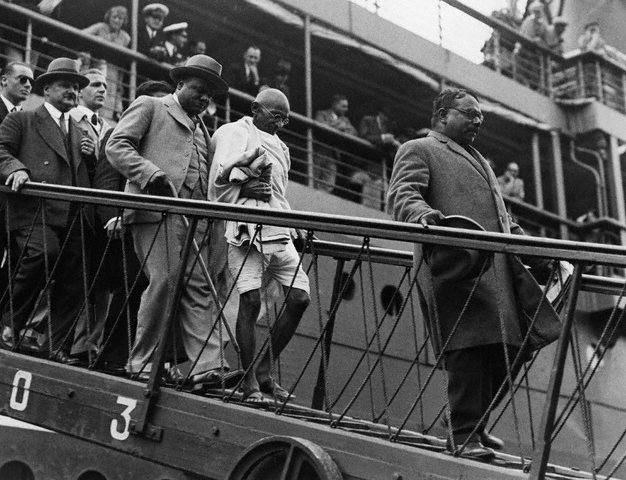
 ഫ്രാന്‍സിലെ മാഴ്സിയില്‍ ഗാന്ധി കപ്പലിറങ്ങുന്നു.
 പരംബരാകത വേഷത്തില്‍
 സിവില്‍ നിയമ ലങ്ഘന പ്രസ്ഥാനത്തില്‍ ജനങ്ങള്‍ പങ്കെടുക്കുന്നു
 പെഷവാറിലെ  കിംഗ്‌ എടവാട് കോളേജിലെ  പ്രിന്‍സിപ്പലിന്റെ കൂടെ 
 ലിന്ളിഗ്തോവ്യുമായി സംസാരിക്കാന്‍ ഡല്‍ഹിയിലെത്തുന്നു
 ബോംബയിലെ ബിര്‍ള മന്ദിരത്തില്‍ നെഹ്രുവിനും പട്ടേലിനും കൂടെ
 അനതരവള്‍ ആവയുടെ കൂടെ
 ഗാന്ധി ശിംലയില്‍
 കൊണ്ക്രെസ്സ് വര്‍കിംഗ് കമ്മട്ടീ മീടിങ്ങിനു ശേഷം
 ബ്രിട്ടീഷ്‌ ഉടോഗസ്തരുടെ കൂടെ y
നെഹ്രുവിന്റെ കൂടെ 
                                                    യുവാവായ ഗാന്ധി
 ബ്രിട്ടീഷ്‌ പ്രധാനമന്ത്രി മക്ടോനല്‍ടുമായുള്ള  ചര്‍ച്ചയ്ക്ക്‌ ശേഷം റിപ്പോടര്മാര്‍ ഗന്ധിജിയെ  വളയുന്നു.       
                                                            തലപ്പാവ് ധരിച്ച ഗാന്ധി
                                            കൊണഗ്രെസ്സ്  സമ്മേളനത്തില്‍ ഗാന്ധി
                                              ഗാന്ധിയെ ഇന്റര്‍വ്യൂ ചെയ്യുന്നു 
                                                                   ദന്ധി  യാത്ര
                                       ബ്രിട്ടീഷ്‌ പ്രതാനമന്ത്രിയുടെ  വസതിക്ക് മുമ്പില്‍
                                                  ബോംബയിലെ ജനങ്ങള്‍ക്ക് കൂപ്പു കൈ
                                          ഫ്രാന്‍‌സില്‍ സരോജിനി നയുടുവിന്റെ കൂടെ
  ഗാന്ധിജി ഒരു വീട്ടില്‍ കയറുന്നു
 നേതാക്കന്മാരോദ് സംസാരിക്കുന്നു
 ഗന്ധു പൊതു ജനങ്ങളോട് സംസാരിക്കുന്നു
 മൌണ്ട് ബാറ്റന്‍  പ്രഭുവിനും   ഭാര്യയുടെയും കൂടെ
     ഗാന്ധിജി മരിച്ചു കിടക്കുന്നു
 ഗോട്സെയും നാരായണ്‍ ദാട്ടാരായും -ഗാന്ധിയുടെ ഘാധകര്‍
 നെഹ്‌റു വാര്‍ത്താ സമ്മേളനം നടത്തുന്നു .
 കേബിനട്റ്റ് മിഷന്റെ കൂടെ 
 ഗാന്ധിജിയും ചാര്‍ളി ചാപ്ലിനും
 ഗാന്ധിജിയും ചാര്‍ളി ചാപ്ലിനും
 ഗാന്ധി ഓട്ടോ റിക്ഷയില്‍

 ഗാന്ധിയുടെ ചിത
                                 കൂപ്പു കൈ